

Summary
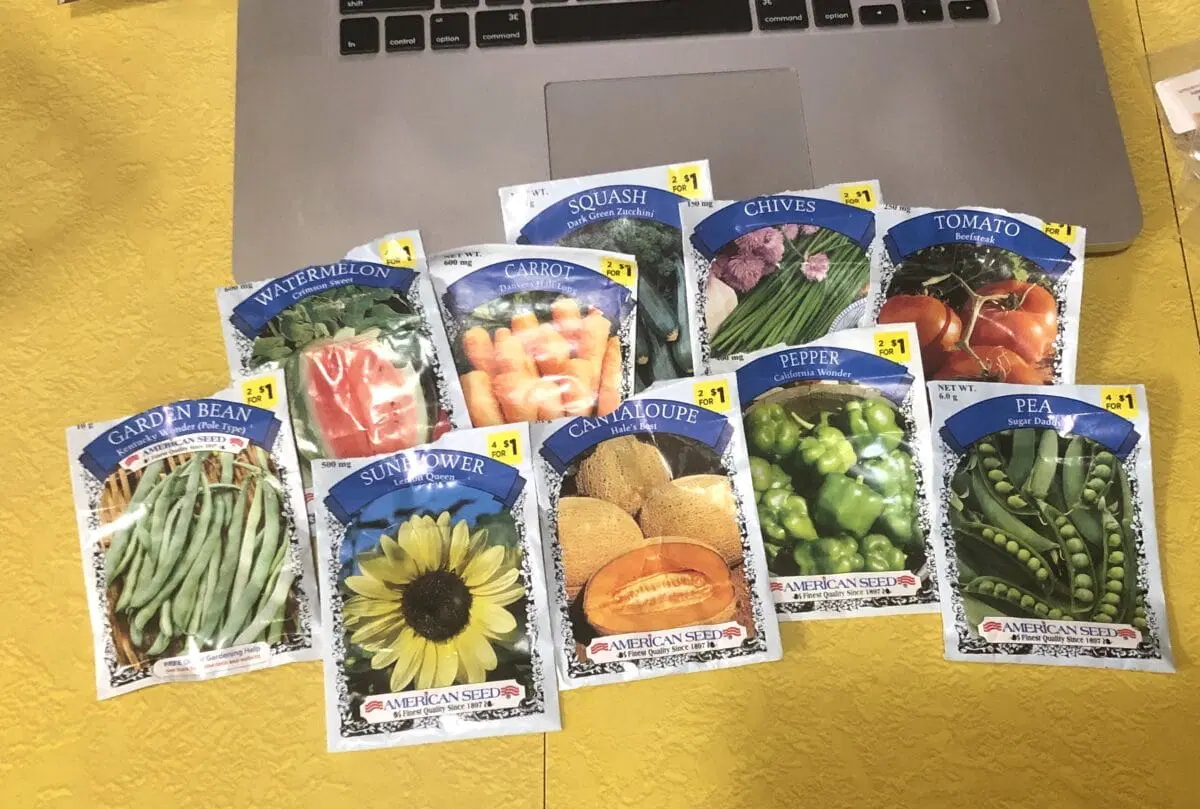
Have you ever stood in a garden center, looking at small seed packets and wondering whether starting plants from scratch is actually cheaper than purchasing ready-grown options?
For many gardening enthusiasts, this question returns every season, especially when budgets are limited and time is valuable. While saving money is often the main motivation, the real consideration is not simply which option has the lowest upfront price, but which approach provides the best long-term value.
What Growing From Seed Really Involves
Mastering early growth leads to better results
Growing plants from seeds may appear simple, but the reality requires more attention and patience than many beginners expect. Although advertisements often make the process look effortless, successful seed starting depends on understanding timing, environmental conditions, and basic plant biology.
Starting with seeds can seem inexpensive at first, but it becomes truly cost-effective only when the process is approached with planning, consistency, and proper care.
The process typically involves several important steps:
- Choosing suitable plants: Select varieties that match your climate, available sunlight, and growing season to improve germination rates and reduce wasted effort.
- Preparing the soil: Loosen the soil, add compost, and maintain proper drainage to encourage strong root development.
- Managing moisture: Water seedlings gently every day or use a spray bottle during the first two weeks. Keep the soil consistently moist but avoid overwatering, which can lead to mold and root rot. Once seedlings become established, transition to approximately 1 inch of water per week.
- Providing adequate light: Place trays near a sunny window or use grow lights for 12 to 16 hours daily to prevent weak stems and uneven growth.
- Hardening off seedlings: Gradually expose young plants to outdoor conditions by moving them outside for one to two hours daily before permanent planting.
- Monitoring development: Check leaves, stems, and soil every few days, remove unhealthy seedlings, and adjust lighting or watering when necessary to minimize losses.
Understanding the materials required for seed starting makes the entire process easier to manage.
| Material | Purpose |
|---|---|
| Trays | Hold germinating seeds and provide organized space for early root growth. |
| Soil | Provides nutrients and structure needed for healthy root development. |
| Lights | Maintain consistent brightness to prevent weak or stretched seedlings. |
| Watering tool | Allows gentle moisture control without damaging delicate plants. |
| Labels | Help track plant varieties and planting dates. |
| Trowel | Helps move soil and transplant seedlings into larger containers or garden beds. |
| Heat mat | Maintains warm soil temperatures to improve germination speed and consistency. |
| Humidity cover | Creates a stable moisture environment for sprouting seeds. |
| Gloves | Protect hands while working with soil, tools, and young plants. |
| Drip tray | Collects excess water and keeps growing areas clean. |
Keeping a planting journal can also improve efficiency over time by tracking watering schedules, sunlight exposure, and growth patterns, ultimately reducing unnecessary expenses.
Alternatives to Starting Plants From Seed
Ready-grown options save time, but not always money
Not everyone wants to wait several weeks for tiny seedlings to develop. For gardeners with limited time or those looking for immediate results, purchasing ready-to-grow plants can feel like the easier solution.
However, while these alternatives may appear affordable initially, they often become more expensive over time compared with starting from seeds.
Common alternatives include:
Nursery Starters
Young plants that are partially grown and ready for transplanting. They provide faster results but usually cost significantly more per plant compared with seed packets.
Bulbs and Tubers
Options such as onions, garlic, and flowering bulbs simplify early growth stages. However, their upfront prices are often higher despite being promoted as inexpensive seasonal choices.
Pre-Planted Containers
Retail stores offer decorative pots containing established plants, saving preparation time but increasing costs due to packaging, presentation, and branding.
Hydroponic Starter Kits
Indoor growing systems appeal to urban gardeners who want quick results, but equipment expenses make them far from the cheapest option.
Subscription Plant Boxes
Monthly plant deliveries provide variety and convenience, but repeated payments can become much more expensive than a self-managed growing approach.
Before purchasing ready-grown alternatives, always inspect root systems carefully to avoid buying stressed or unhealthy plants that may require replacement.
Comparing Costs Reveals the Real Value
Evaluate expenses alongside long-term benefits
Many gardeners assume starting from seeds is automatically the cheapest option. While that is often true, the actual cost depends on setup decisions, equipment reuse, and how efficiently resources are managed.
| Cost Category | Seed-Based Growing | Starter and Pre-Grown Options |
| Initial Purchase | Usually falls within the budget to lower-mid-range category because one seed packet can contain many potential plants. | Often falls within the mid-range to high-end category because labor, greenhouse care, and transportation are included. |
| Equipment Needs | Starts in the budget range and may increase when adding grow lights, heating tools, or additional supplies. | Usually remains in the budget range because containers and soil are often included. |
| Time Investment | Requires higher commitment due to daily monitoring, watering, and early plant care. | Usually requires less time because early growth stages are already completed. |
| Replacement Risk | Lower replacement costs because failed seeds are inexpensive to replace in bulk. | Higher replacement costs because replacing mature plants requires purchasing individual units. |
| Long-Term Value | Often provides the lowest production cost because supplies can be reused and seeds can be saved for future seasons. | Generally offers lower long-term savings due to repeated purchases. |
Several factors influence the final cost over time:
- Initial Setup Investment: Trays, soil, and lighting create startup expenses, but many supplies can be reused season after season.
- Per-Unit Cost Efficiency: Growing multiple plants spreads material costs across many harvests, reducing the average cost per plant.
- Hidden Convenience Fees: Store pricing often includes packaging, branding, and transportation costs.
- Long-Term Sustainability: Reusing containers and compost systems creates a more economical growing cycle.
- Scalability Advantage: Expanding home production gradually reduces the cost per plant over time.
Tracking seasonal spending helps identify where money is being used and where future savings can be achieved.
Planning Before Planting Prevents Costly Mistakes
Space, lighting, and time determine your budget
Before choosing seeds or ready-grown plants, it is important to consider the bigger picture. Gardening success depends not only on cost but also on available resources, habits, and long-term expectations.
Important factors include:
- Available indoor and outdoor space determines how many plants can realistically grow at once.
- Natural sunlight or artificial lighting directly affects seedling health and growth speed.
- Time availability influences how consistently watering, monitoring, and transplanting can be completed.
- Budget limitations determine how affordable the overall setup remains.
- Comfort with occasional failures helps maintain motivation when results take longer than expected.
- Long-term goals determine whether the cheapest approach matches personal expectations.
Setting a clear spending limit before purchasing supplies helps prevent unnecessary expenses and budget mistakes.
Long-Term Benefits Go Beyond Saving Money
Seed saving and gardening skills create lasting value
The advantages of growing from seeds extend far beyond the initial financial savings. For many gardeners, the experience of raising plants from the beginning creates a stronger connection with the process and provides valuable knowledge that improves future seasons.
Seed-based gardening offers several long-term benefits:
- Seed Saving Opportunities: Collecting seeds from mature plants reduces future purchasing needs.
- Skill Development: Regular care improves gardening knowledge and confidence.
- Sustainable Practices: Growing independently reduces reliance on store-bought plants.
- Long-Term Cost Efficiency: Reusing trays, containers, and soil gradually lowers production costs.
- Quality Control: Starting from seed provides greater control over plant health and growing conditions.
- Community Engagement: Sharing extra seedlings encourages local gardening connections and knowledge exchange.
- Personal Satisfaction: Watching plants develop from tiny seeds creates a deeper appreciation for gardening.
Recording plant varieties, results, and seasonal experiences can improve future harvests and prevent repeating previous mistakes.
Seeds Remain the Cheapest and Most Rewarding Choice
Ultimately, the decision between starting from seeds and buying ready-made plants depends on time, patience, and personal goals.
For many gardeners, seed-based growing requires more effort in the beginning but becomes the most affordable and rewarding way to build a successful garden over time.
Beyond financial savings, growing from seed provides opportunities to learn, experiment, and maintain greater control over plant quality. It supports sustainable habits, strengthens the connection between gardener and garden, and creates a natural seed-saving cycle that benefits future growing seasons.