

Summary
PiZZa Turns Your Spare Raspberry Pi Zero Into an Arduino With One Flash
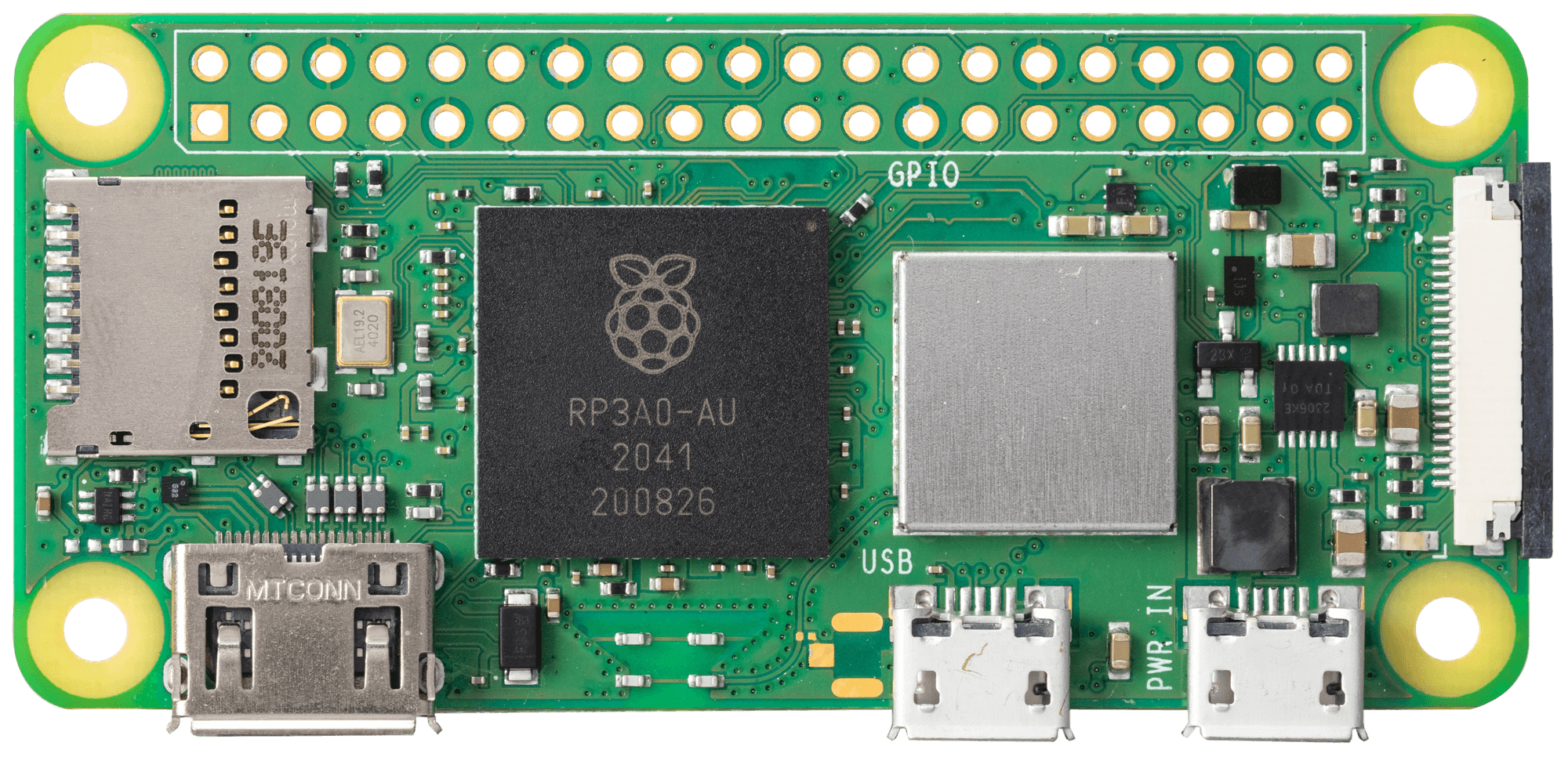
If you enjoy experimenting with hardware, there is a good chance you have an unused Raspberry Pi board or two sitting somewhere. If one of them happens to be a Raspberry Pi Zero W or Raspberry Pi Zero 2 W that is currently collecting dust, you can give it a new purpose by turning it into an Arduino.
While that may sound impossible at first, a project called PiZZa aims to make exactly that possible.
PiZZa Transforms Your Old Hardware Into an Arduino
A Simple One-Time Setup Is All You Need
As spotted on Hackster.io, PiZZa — which stands for “Pi Zero with Zephyr for Arduino” — allows you to bring new life to your unused Single-Board Computers (SBCs).
According to the project’s creator:
“Write sketches in the Arduino IDE and run them on a Raspberry Pi Zero 2 W or the original Raspberry Pi Zero W. A small firmware on the SD card (a Zephyr ‘loader’) loads your compiled sketch as a runtime module — so after a one-time setup, Upload is one button: no SD swap, no manual re-flash.”
The process is designed to be straightforward. After the initial setup, you can upload your Arduino sketches directly without repeatedly swapping SD cards or manually flashing new firmware.
What You Need to Get Started
To use PiZZa, you only need a few basic components:
- A Raspberry Pi Zero W or Raspberry Pi Zero 2 W
- A microSD card larger than 2GB
- A micro-USB data cable (not just a charging cable)
- Arduino IDE 2.x
The Arduino IDE can run on Windows, macOS, or Linux, and PiZZa works across all these platforms.
Once everything is ready, you simply add the board to the Arduino IDE, flash the Raspberry Pi, and start using it as an Arduino-compatible device.
Why Turn a Raspberry Pi Into an Arduino?
Using PiZZa allows developers and hardware enthusiasts to combine the simplicity of Arduino programming with the advantages of Raspberry Pi hardware.
You can continue writing code through Arduino while benefiting from the Raspberry Pi’s faster boot times and additional processing power.
For makers who already own older Raspberry Pi boards, this project provides an opportunity to reuse existing hardware instead of buying new devices. It is a practical way to extend the lifespan of your electronics while exploring new possibilities in DIY projects.