

Summary
It sounds like something out of a gardening fairytale, but the fruit salad tree is very real.
This horticultural marvel lets you grow multiple types of fruit on a single tree thanks to the science of grafting.
And it’s not just a botanical party trick—it’s a practical, space-saving way to boost your garden’s productivity and turn your backyard into a health-conscious oasis.
If you’re a fan of fresh produce, sustainable gardening, or simply want a tree that turns heads, the fruit salad tree is a must-have.
What Is a Fruit Salad Tree?
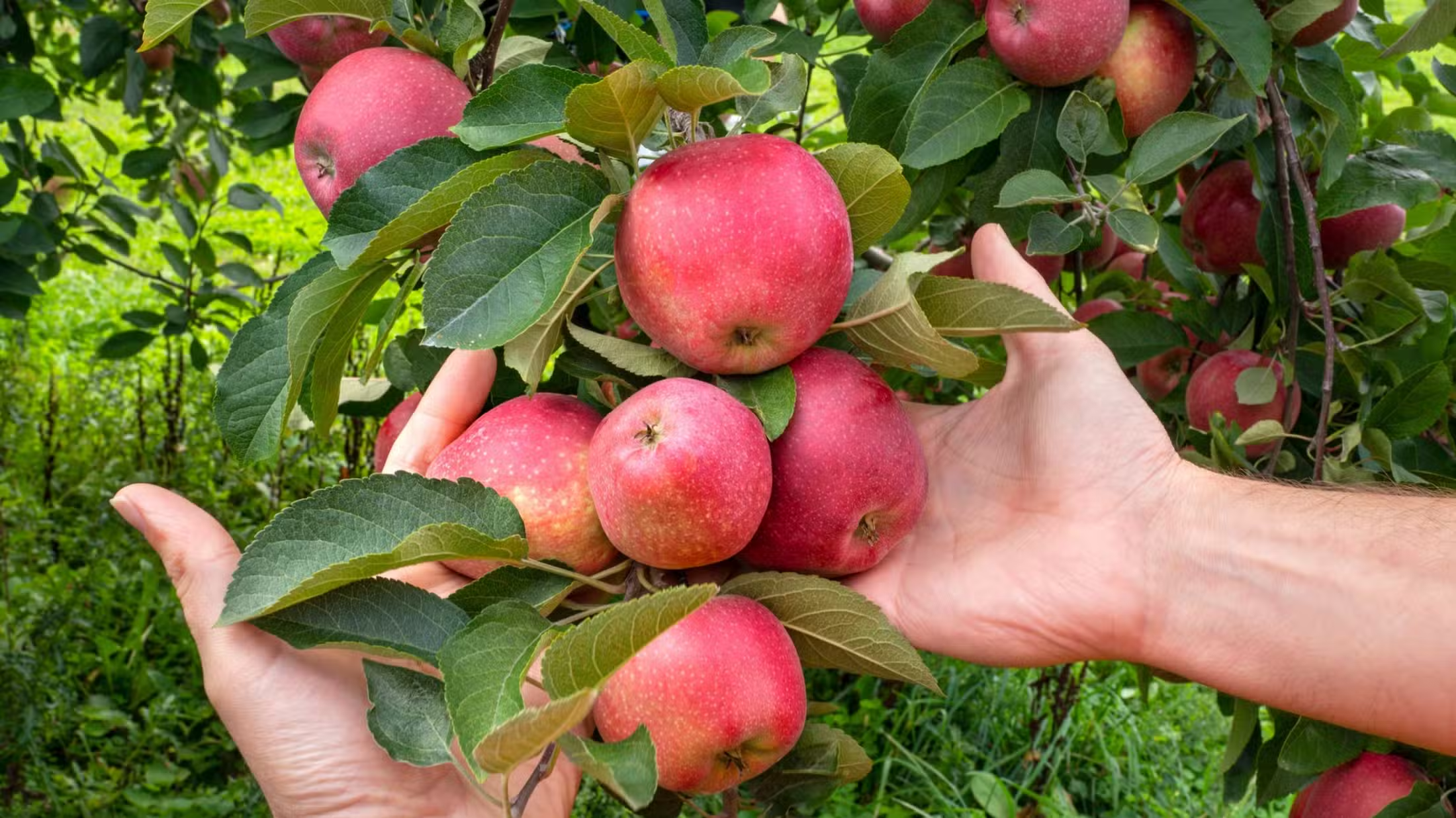
A fruit salad tree is exactly what it sounds like: one tree that grows multiple types of fruit.
Using a technique called grafting, expert growers fuse different fruit varieties—like peaches, plums, nectarines, and apricots—onto a single rootstock.
The result? A living, fruit-bearing Frankenstein that thrives as one harmonious plant.
It’s not natural, but it is ingenious.
These grafts are selected from compatible fruit families, ensuring that each branch thrives while producing its own unique crop.
Why It’s Great:
Instead of planting multiple trees, you can grow a single tree that provides a built-in fruit buffet throughout the season. It’s perfect for healthy eaters, garden enthusiasts, and families looking for a fun way to introduce kids to homegrown produce.
The Surprising Benefits of a Fruit Salad Tree
There’s a lot more to love about fruit salad trees than just novelty.
They offer practical advantages that make them a smart choice for small gardens, patios, and anyone wanting more from limited space.
| Benefit | Details |
|---|---|
| Space-Saving | Enjoy 3–6 fruit varieties from just one tree—ideal for urban and small-space gardening. |
| Extended Harvest | Since each fruit ripens at a different time, you’ll enjoy fresh produce across multiple months. |
| Built-In Pollination | Compatible grafts often help pollinate one another, boosting yields. |
| Garden Showstopper | Visually striking and a great conversation starter. |
| Biodiversity Boost | Helps attract pollinators and supports a diverse home ecosystem. |
The Science Behind the Magic: Grafting
Grafting is the horticultural practice that makes the fruit salad tree possible.
According to the Mississippi State University Extension, it involves inserting a bud or shoot from one plant (called the scion) into the root system of another (the rootstock).
Over time, they grow together as one.
Once healed, each graft behaves like a separate tree branch—producing its own fruit, while sharing water and nutrients with the rest of the tree.
This process means you don’t need an orchard to enjoy variety.
A well-tended fruit salad tree fits in a small backyard or large container and delivers a diverse, healthy harvest.
How to Choose the Right Fruit Combinations
Not every fruit can be grafted onto the same tree.
To ensure success, it’s essential to combine fruits from the same botanical family with similar growing needs.
Top Compatible Combos:
-
Stone Fruits: Peaches, nectarines, plums, and apricots.
-
Citrus Fruits: Lemons, oranges, mandarins, and limes.
-
Apple Family: Red apples, green apples, crabapples.
-
Pears: Anjou, Bartlett, Bosc, Asian pears.
Pro Tip: Choose fruits that ripen at different times for an extended harvest season, and match your selections to how you’ll use them—whether for snacking, juicing, or baking.
How to Care for Your Fruit Salad Tree
While a fruit salad tree shares many care routines with traditional fruit trees, the presence of multiple grafted branches requires some extra attention.
Key Tips:
-
Prune each graft regularly to maintain balanced growth and prevent overcrowding.
-
Mulch to conserve moisture and suppress weeds.
-
Use a balanced fertilizer in spring to encourage flowering and fruiting.
-
Monitor for pests or disease—each fruit variety may attract different ones.
-
Support branches during fruiting season to prevent breakage.
Observe how each branch performs over time and adapt your watering, pruning, and feeding strategies to suit the tree’s overall health and productivity.
Turn Your Garden Into a Living Fruit Bowl
A fruit salad tree is more than a fun experiment—it’s a symbol of sustainable gardening, smart design, and healthier living.
Whether you’re growing snacks for your kids, creating a show-stopping centerpiece for your yard, or simply adding variety to your edible garden, this tree checks every box.
Why settle for one fruit when you can have many?
Grow a fruit salad tree, and your backyard becomes a source of flavor, freshness, and year-round joy.