

Summary
Few things test your self-control like trying to watch a major soccer match that isn’t easily available through legal streaming services. A quick online search instantly reveals countless alternatives—free streaming websites, unofficial IPTV subscriptions, unverified APK files, and apps claiming to offer every FIFA, NFL, and major league match in Full HD for only a fraction of the normal cost.
At first glance, the offer is incredibly tempting, especially when kickoff is only minutes away. However, on Android devices, that shortcut can quickly become a costly mistake. From malware and stolen login credentials to suspicious payment portals, legal concerns, and apps requesting unnecessary permissions, the risks often outweigh the convenience.
Free Unverified Apps Are Never Truly Free
Every “free” stream comes with hidden costs
Unverified streaming apps rarely provide free access without expecting something in return. Whenever an application promises live soccer matches, premium TV channels, every major league, and HD streaming without requiring a legitimate subscription, it’s generating value in another way.
Sometimes that means overwhelming users with intrusive advertisements, misleading pop-ups, fake download buttons, and endless redirects that make watching a match frustrating from the very beginning.
In other cases, the hidden cost is far more serious. These apps may monitor your activity, collect device information, generate unwanted notifications, or redirect you to suspicious registration pages before the stream even starts.
This is exactly why unofficial Android streaming apps are so risky. While it may seem like you’re saving money by avoiding an official subscription, the real price could be your privacy, personal data, battery life, or even your account security.
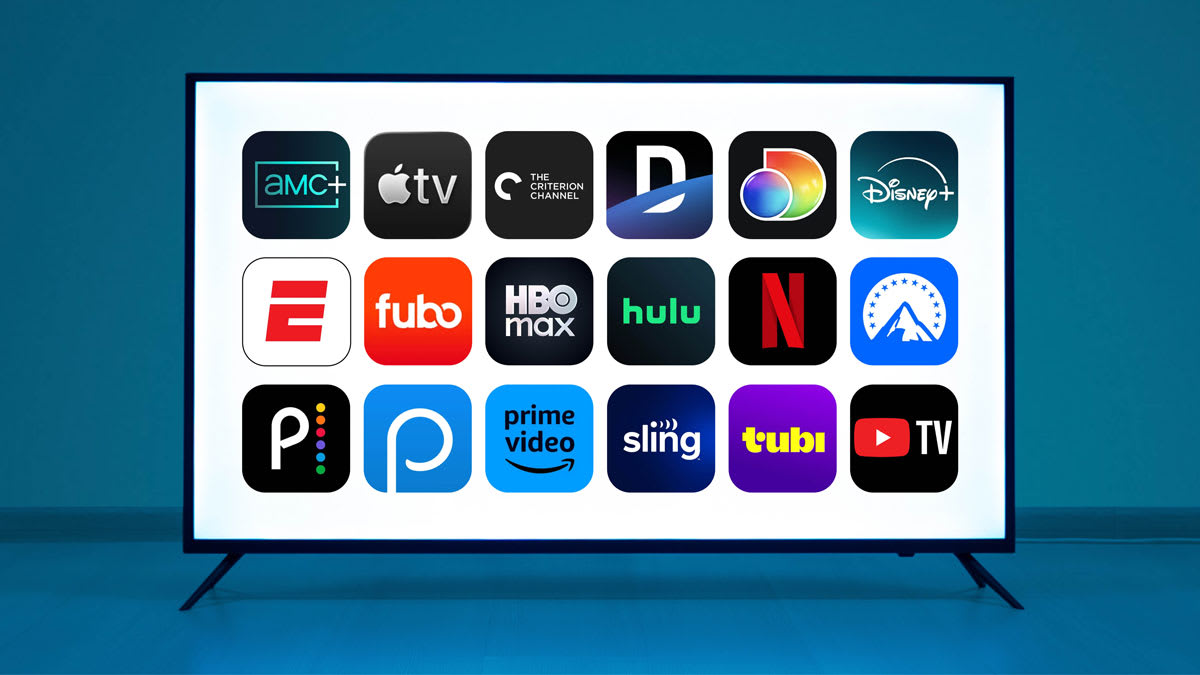
A random streaming application has no legitimate reason to request access to your contacts, files, SMS messages, or notification permissions. Instead of trusting an unknown developer, it’s far safer to subscribe to a legitimate streaming platform and download verified apps like YouTube TV or Hulu directly from the Google Play Store.
Unofficial IPTV Services Can Disappear Overnight
That discounted yearly subscription may not last
Unofficial IPTV services often look like an incredible bargain, and it’s easy to understand why so many soccer fans are drawn to them. Services such as Apollo, YeahIPTV, and many similar providers advertise hundreds of live TV channels, PPV events, and premium sports coverage for a relatively small monthly fee.
On paper, the offer sounds difficult to ignore. Instead of paying for multiple subscriptions, users can access everything through a single service at a much lower cost.
Many people go even further by purchasing annual plans because they appear to offer even greater savings.
Unfortunately, that’s where the biggest risk begins.
Unlike legitimate streaming platforms, these services don’t operate with the same level of stability, accountability, or legal protection. A provider that works perfectly today may disappear tomorrow without warning, leaving subscribers with no refunds, no customer support, and no practical way to recover their money.
If authorities, copyright holders, or broadcasters take legal action by shutting down domains, blocking payment systems, or pressuring hosting providers, many unofficial IPTV services can vanish almost instantly. This is also one reason why many of these services prefer cryptocurrency payments over traditional methods.
When that happens, the money spent on a discounted annual subscription simply disappears with the service.
Saving a few dollars on soccer streaming isn’t worthwhile if there’s no guarantee the platform will still exist by the next major match.
Pirated Streams Often Deliver a Worse Viewing Experience
Technical issues can ruin the biggest moments
Even setting legal concerns aside, unofficial streams rarely provide the viewing experience they promise.
You might click a link expecting smooth Full HD coverage, only to encounter constant buffering, frozen video, delayed commentary, broken audio, and multiple pop-up windows before the match even begins.
The video quality often drops at the most exciting moments, and there’s always the possibility that the stream stops working during a penalty kick, a decisive counterattack, or a stoppage-time winner.
In many cases, pirated broadcasts also run significantly behind the live television feed, meaning score notifications on your phone reveal the result before you actually see the goal.
The Legal Risks Aren’t Worth It
Official apps offer far greater peace of mind
One of the biggest misconceptions about pirated streams and unofficial IPTV services is that users are completely anonymous.
In reality, your Internet Service Provider (ISP) can still detect connection information, IP activity, and the domains or services your device communicates with.
Depending on local laws and enforcement practices, that information could become relevant if broadcasters, copyright holders, or authorities investigate unauthorized streaming activity.
Even if nothing happens immediately, users still face the possibility of receiving warning notices, account restrictions, service limitations, or legal correspondence in the future.
That’s a significant amount of risk for the sake of watching a single soccer match.
Watching sports should be enjoyable—not something that leaves you worrying about whether the stream is legal, secure, or traceable.
Protect Your Device by Choosing Trusted Streaming Services
One unsafe app can compromise far more than your match
Instead of relying on questionable apps or unofficial IPTV providers, it’s much safer to subscribe to a legitimate streaming service such as Fubo TV, YouTube TV, or Peacock, all of which offer access to sports content through authorized broadcasting channels like Fox Sports. Many of these platforms also provide free trial periods, making it easy to watch major events without unnecessary risk.
The next time a free soccer stream looks too good to be true, it’s usually because it is.
Missing one match may be disappointing, but exposing your Android device, personal information, online accounts, and privacy to unnecessary risks is a far greater loss.