

Summary
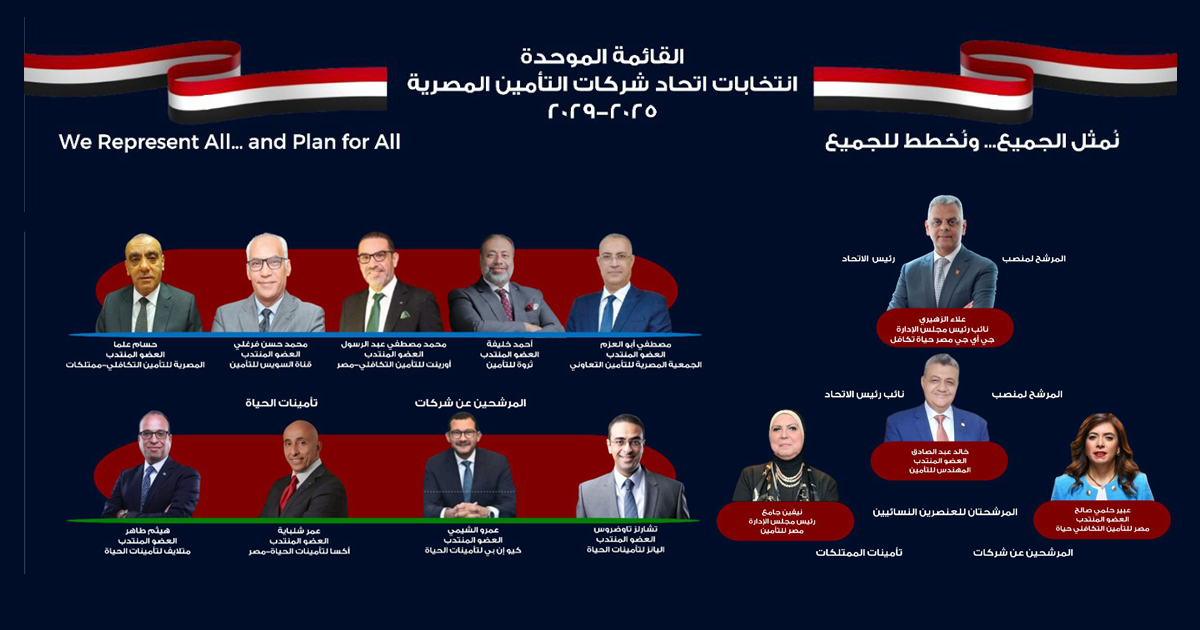
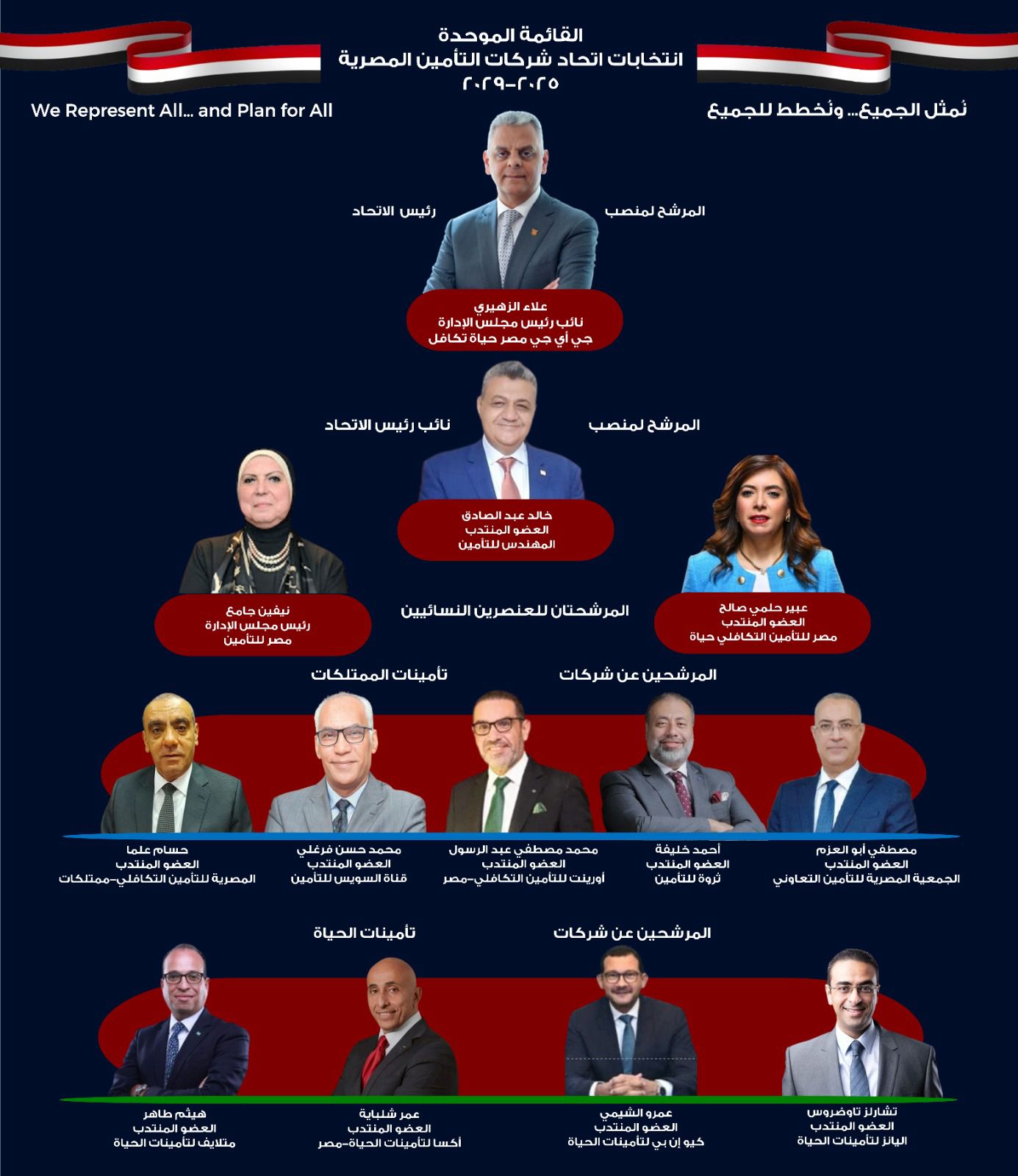
In his second article published on LinkedIn, Alaa El-Zoheiry, candidate for the presidency of the Insurance Federation of Egypt for the 2025–2029 term, emphasized the critical role of demographic analysis in shaping the future of the insurance industry. He presented a strategic perspective that places population data at the heart of decision-making, aiming to build a more inclusive and equitable insurance system that responds to the real needs of Egyptian society.
El-Zoheiry stressed that the unified list, which he leads, does not treat statistics as mere numbers but as reflections of real people who deserve appropriate protection. Accordingly, the strategic roadmap begins with a thorough assessment of Egypt’s population structure and labor force, with the goal of ide.
Demographic Indicators Reveal Untapped Market Opportunities
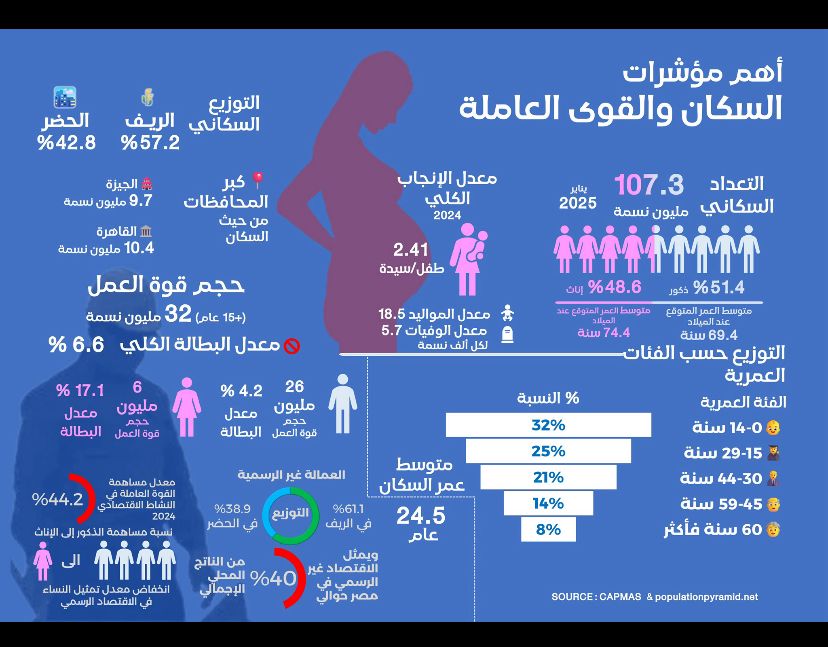
According to recent figures, Egypt’s population exceeds 107 million people, offering a significant client base for insurance products. Notably, 78% of the population is under the age of 45, highlighting the urgent need for long-term savings and retirement solutions designed for young individuals.
Furthermore, 57.2% of the population resides in rural areas, 48.6% are women, and 23% fall within the 20–34 age group. These statistics reveal opportunities to design tailored insurance offerings that align with the specific needs and lifestyles of each demographic group.
El-Zoheiry also pointed to structural challenges, including the fact that the informal economy accounts for roughly 40% of Egypt’s GDP, while 61.1% of rural workers operate outside the formal coverage systems. These realities underscore the importance of expanding insurance access through flexible and inclusive mechanisms that can integrate informal workers and underserved communities into the national insurance framework.
A Practical and Inclusive Strategic Framework
The unified list’s strategy is based on converting demographic insights into practical solutions. It includes the development of savings and pension plans tailored to young people, as well as innovative insurance packages for startups, created in partnership with incubators and business accelerators.
The strategy also focuses on launching microinsurance products that serve women and rural populations, in addition to building partnerships with agricultural cooperatives and microfinance institutions to enhance outreach. Another key area of focus is the creation of insurance programs for senior citizens, anticipating shifts in Egypt’s population structure, such as declining birth rates and increased life expectancy.
Moreover, the plan outlines the need for environmental and health risk insurance solutions, especially given the growing pressure on infrastructure in densely populated areas.
Insurance as a Tool for Social and Economic Empowerment
Alaa El-Zoheiry concluded by asserting that insurance should not be viewed merely as a financial product but as a strategic tool for promoting social equity, sustainable development, and economic inclusion. He called for the adoption of simple, flexible, and affordable insurance models that ensure broad access and long-term societal benefits.
Through its inclusive and transparent approach, the unified list remains committed to dialogue with all industry stakeholders, aiming to build a stronger, more resilient insurance sector that reflects the realities and aspirations of the Egyptian people. Their guiding motto says it all: We Represent Everyone, We Plan for Everyone.