

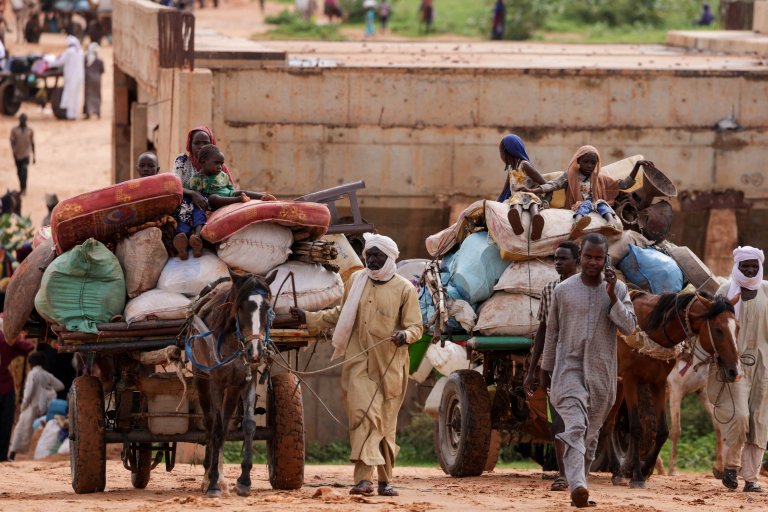
Sudan .. The United Nations Office for the Coordination of Humanitarian Affairs (OCHA) in El Fasher, the capital of North Darfur, has warned of a deepening humanitarian crisis in Sudan, stressing the urgent need for international support to implement the 2025 Humanitarian Response Plan. The plan seeks to raise $4.2 billion to assist 21 million vulnerable people across the country, but as of now, only 23% of the funding goal has been met.
El Fasher has been under siege for 15 months, resulting in severe food shortages and soaring prices. The situation has escalated into widespread famine and malnutrition, causing deaths and forcing some residents to resort to eating animal feed—a stark indication of the depth of the humanitarian catastrophe.
In Tawila, North Darfur, a cholera outbreak has overwhelmed humanitarian agencies, prompting them to expand treatment centers. However, critical shortages in medical supplies persist, and the need for clean water and sanitary facilities has become urgent to curb further disease outbreaks.
In East Darfur, the Lagawa IDP site, home to over 7,000 displaced people, faces extreme food shortages and frequent armed attacks, further complicating humanitarian access and endangering the lives of already vulnerable populations.
Heavy rains in Al-Rahad, North Kordofan, displaced approximately 550 people and damaged or destroyed over 170 homes. In Kassala, eastern Sudan, flooding destroyed the West Airport IDP site, affecting more than 6,000 individuals. Water submerged tents, leaving children cold, hungry, and exposed to unsanitary conditions, with urgent needs for cash assistance, shelter, and protection.
In Port Sudan, extreme heat has endangered lives amid widespread power outages. Temperatures soared to 47°C, resulting in three reported deaths and 50 cases of heatstroke this week. Overwhelmed hospitals are calling for immediate support, including cooling equipment, medical supplies, and additional health workers.
OCHA has once again urged international donors to increase funding, warning that a lack of support could worsen the already dire conditions caused by hunger, disease, displacement, flooding, and heatwaves, pushing Sudan further into a multi-dimensional humanitarian catastrophe.