Summary
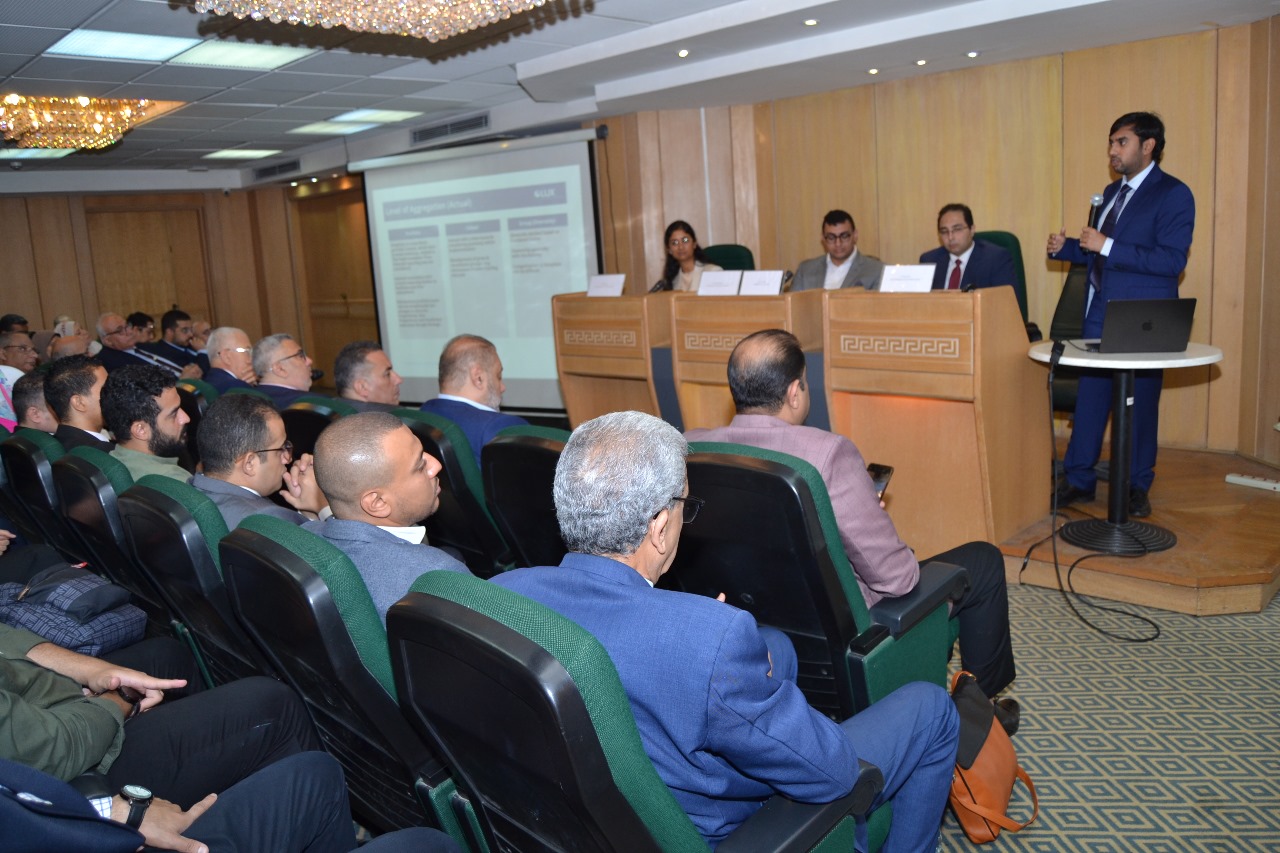
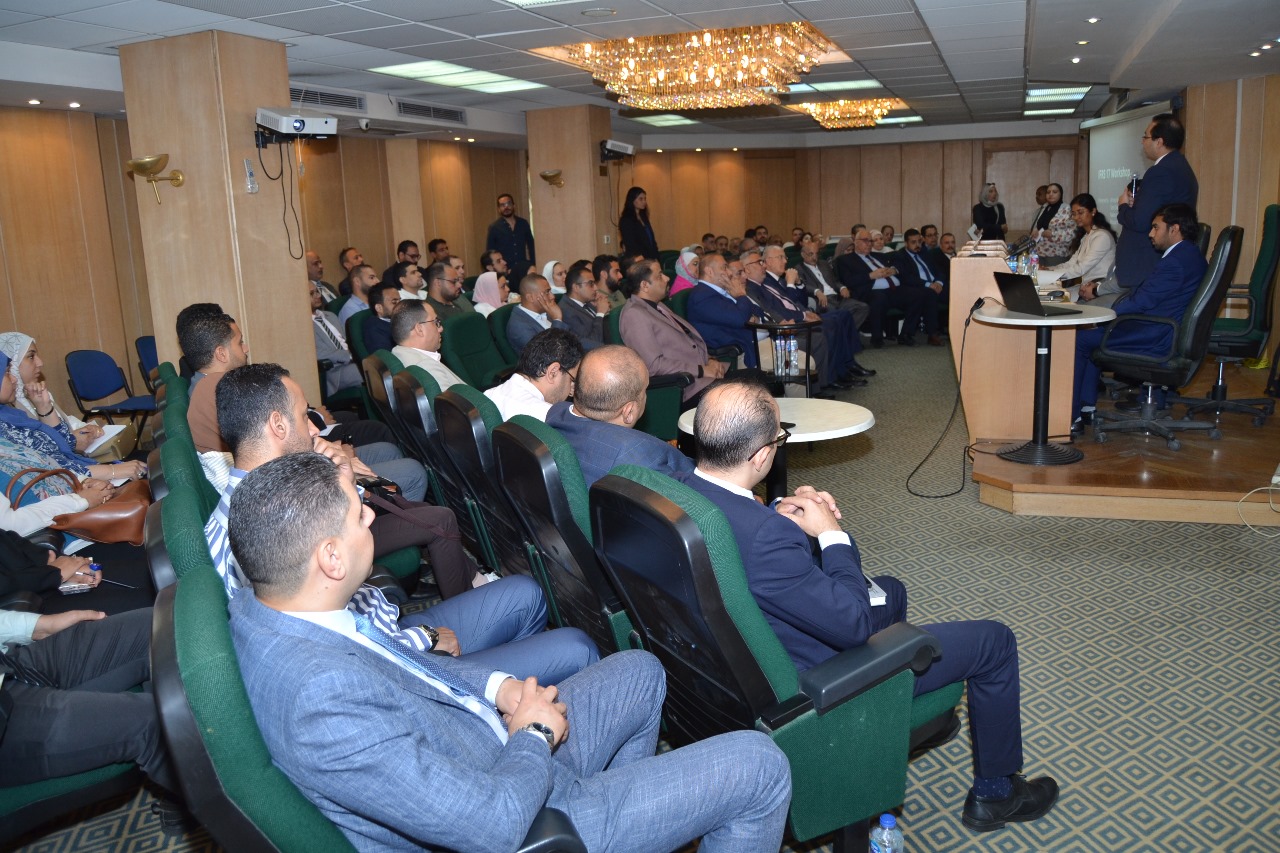
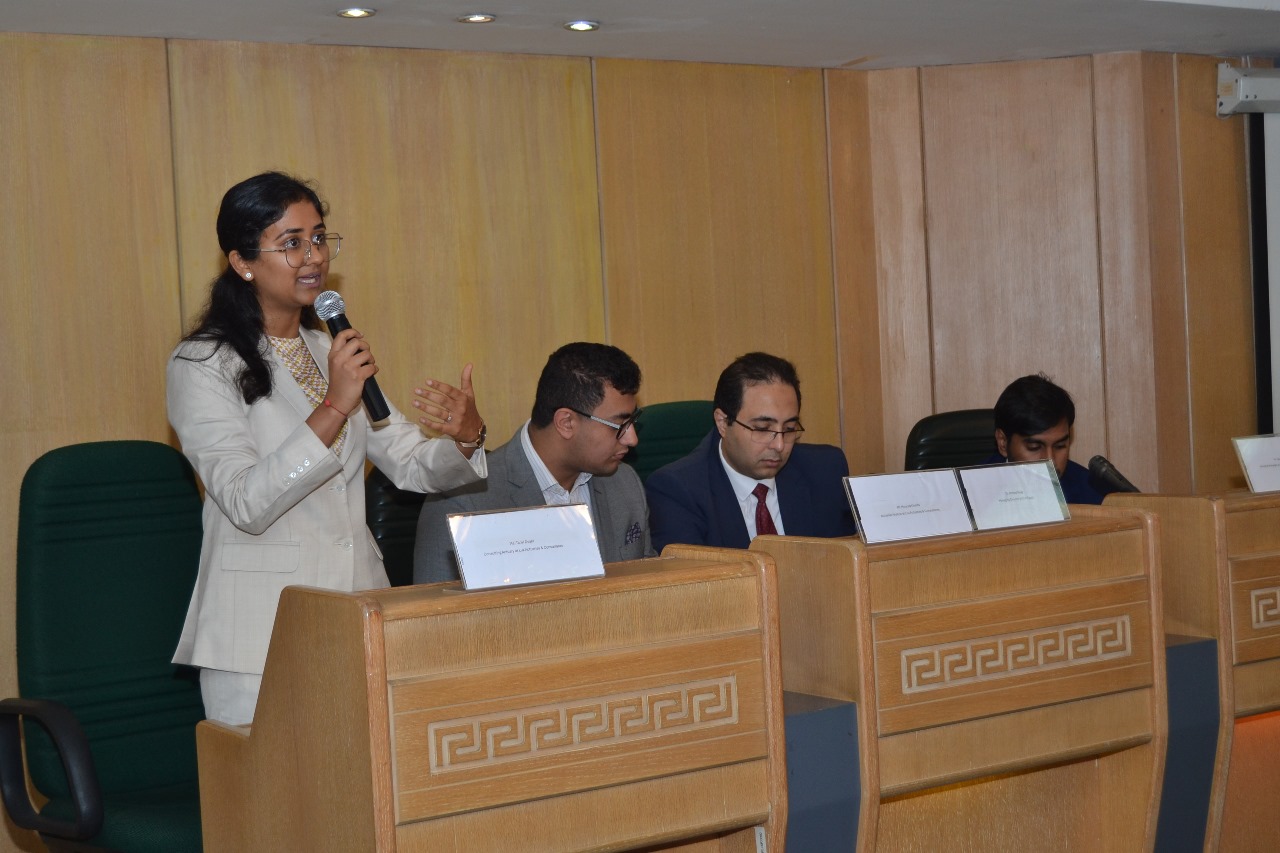
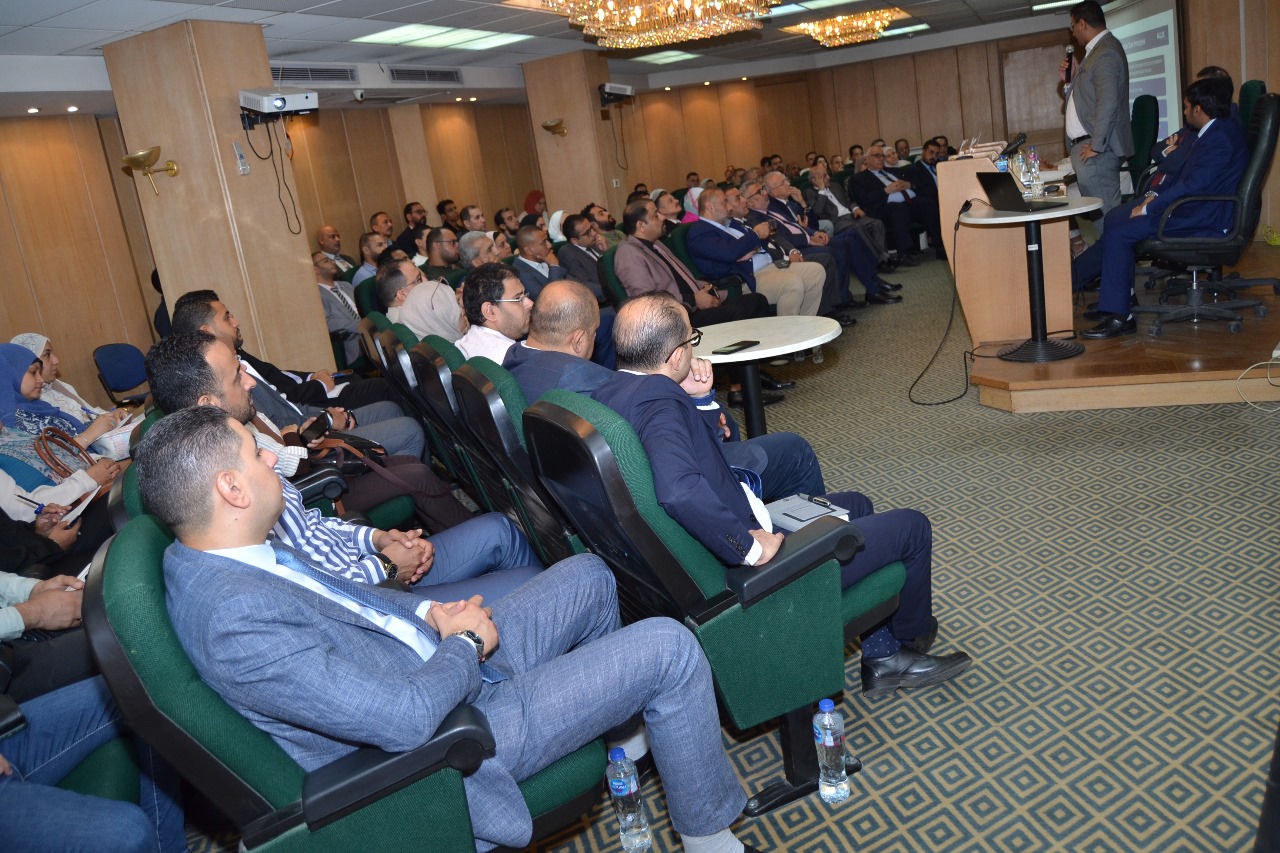
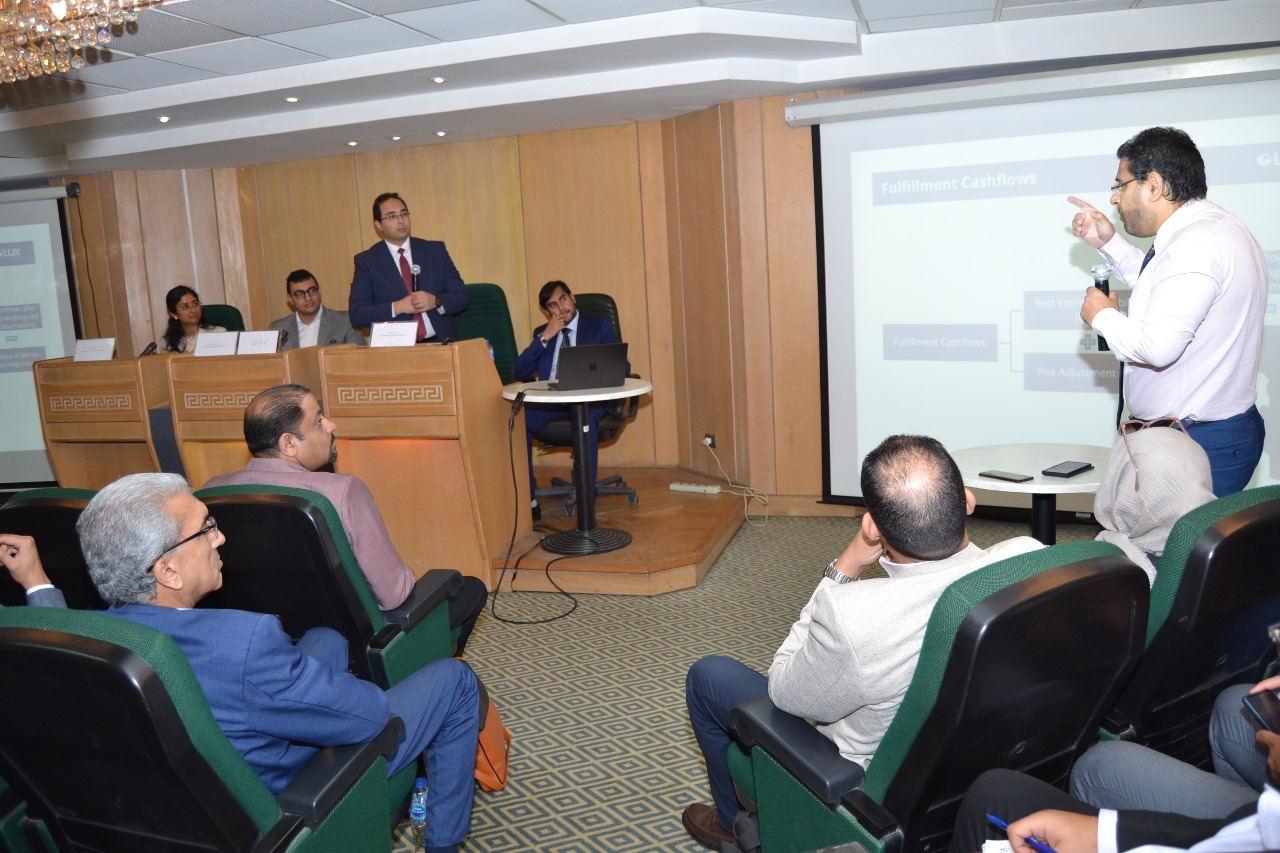
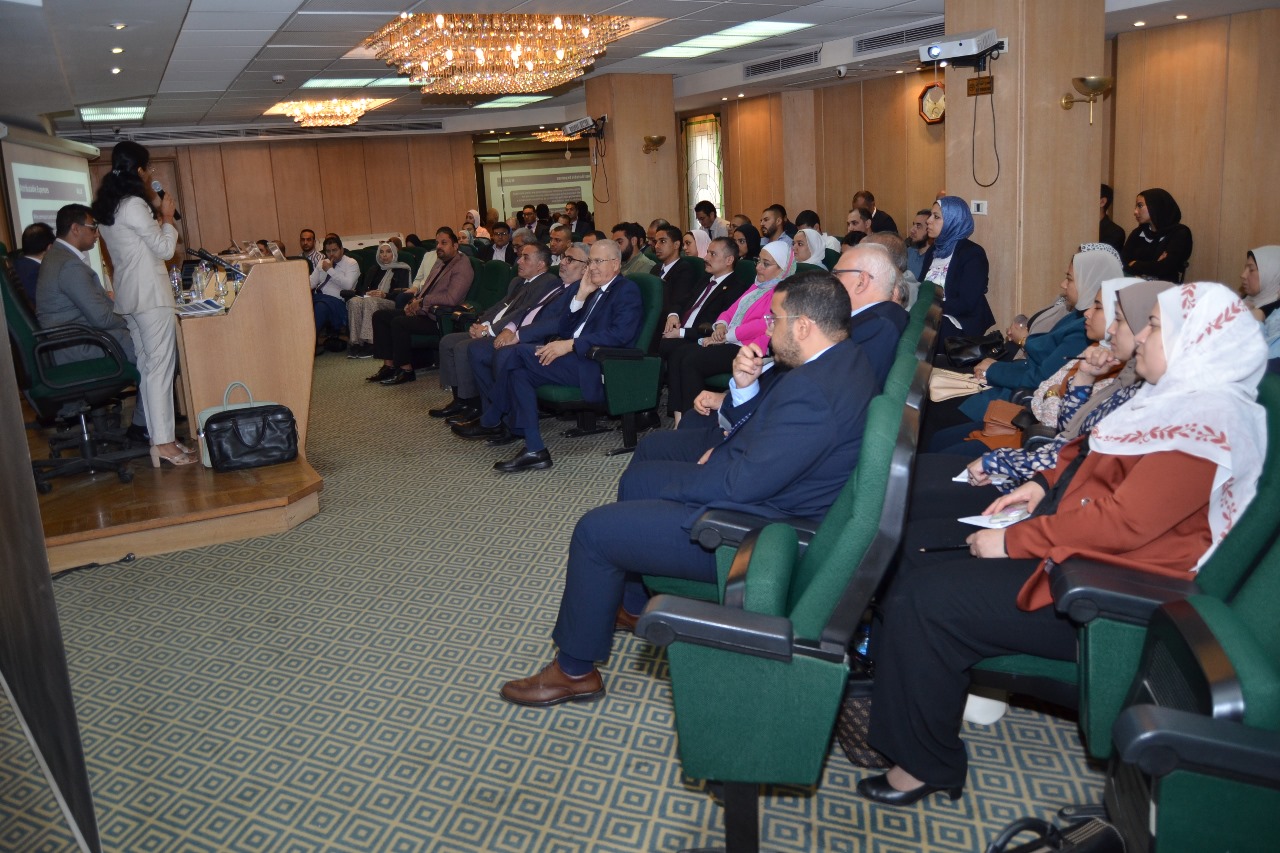
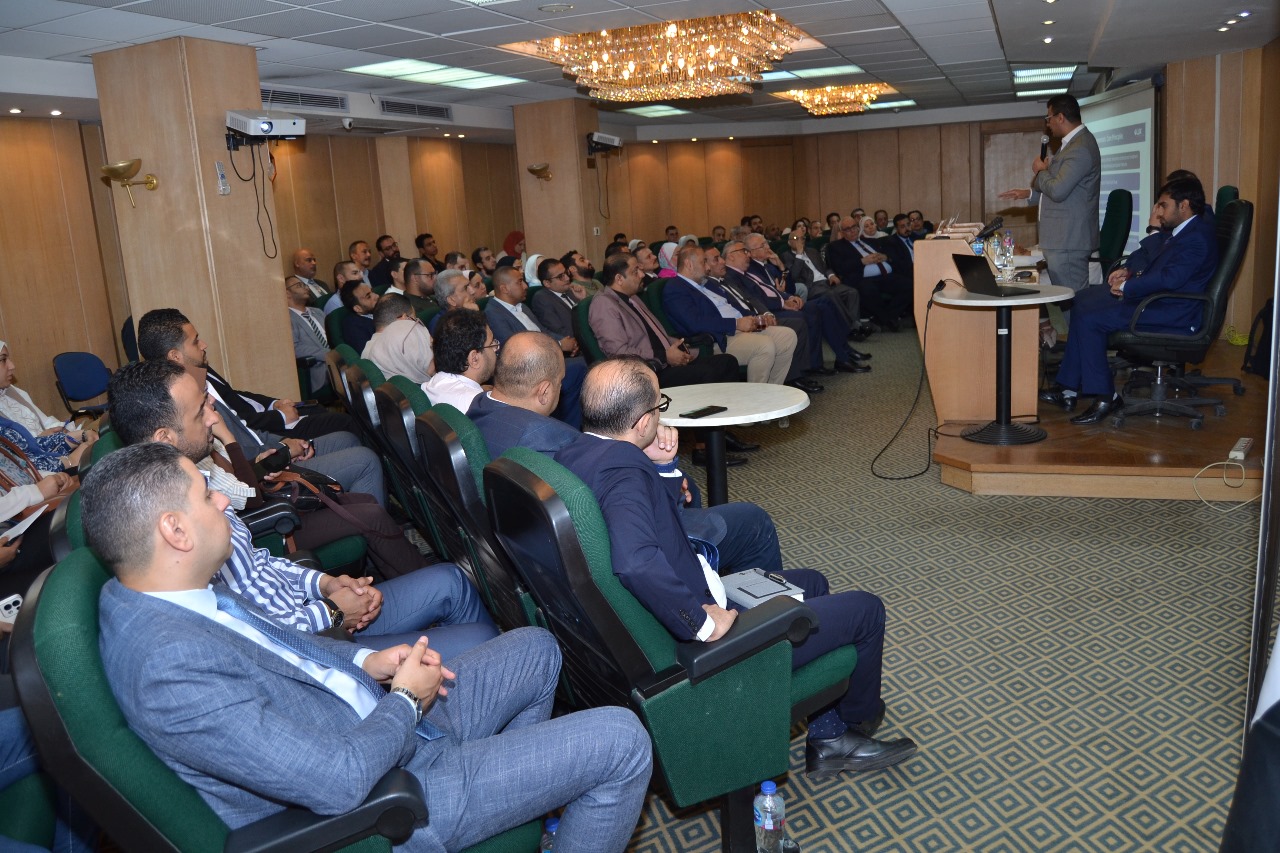
In a strategic move to align with international financial reporting standards and elevate the performance of the Egyptian insurance sector, the Insurers Federation of Egypt organized a comprehensive technical workshop on Wednesday, June 25, 2025, in collaboration with Lux Actuaries & Consultants. The workshop focused on the International Financial Reporting Standard No. 17 (IFRS 17), which is set to transform how insurance companies worldwide present their financial statements.
This workshop is part of the Federation’s continuous commitment to supporting the local market and enhancing the technical and financial capabilities of insurance professionals to meet global standards.
Key Areas of Focus: Understanding IFRS 17 and Its Impact
The workshop featured six core themes that provided a detailed understanding of IFRS 17 and its implications, including:
-
The fundamentals of IFRS 17 and its core principles
-
Financial impact analysis of the new standard on insurance companies
-
Practical implementation challenges
-
The role of actuarial analysis in informed decision-making
-
New presentation and disclosure requirements
-
Potential alignment with solvency requirements
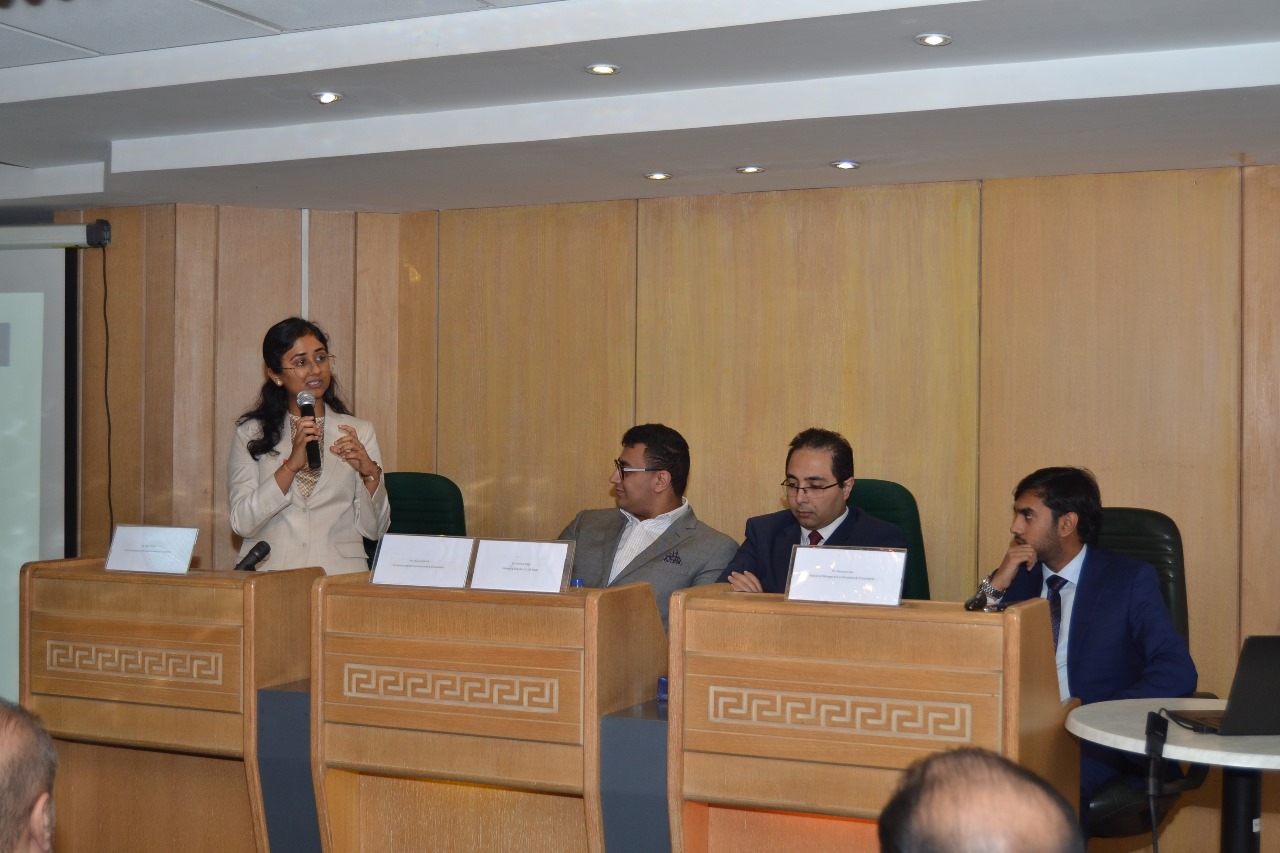
Mr. Navron Jain, a representative from Lux Actuaries & Consultants, opened the session with an in-depth overview of the conceptual framework of IFRS 17. He explained key elements such as the Contractual Service Margin (CSM), risk adjustments, discounting methods, and the distinctions between the General Measurement Model and the Premium Allocation Approach. A comparative analysis between IFRS 17 and the Egyptian Accounting Standard EAS 50 was also provided.
Financial Implications and Strategic Adjustments
Ms. Tanvi Doshi focused on the financial consequences of transitioning from IFRS 4 to IFRS 17. She highlighted the shift in profit recognition patterns and its influence on key performance indicators (KPIs), shareholder equity, and the need for insurance firms to reassess their internal financial strategies under the new standard.
Local Market Challenges in Implementing IFRS 17
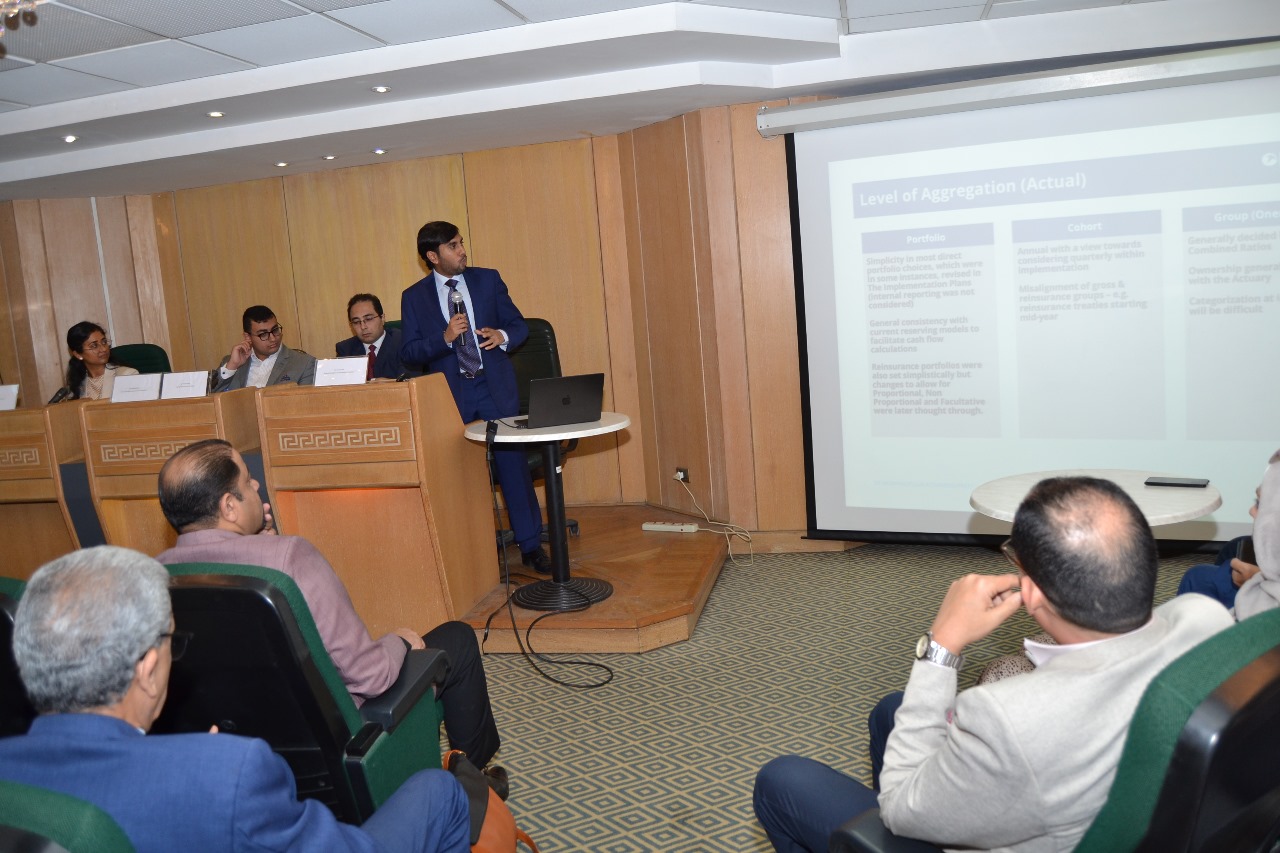
Mr. Mourad Khalifa addressed the practical difficulties that insurance companies in Egypt might face, especially concerning data quality, operational gaps, limited technological infrastructure, and the shortage of skilled human resources required for proper implementation.
Advanced Actuarial Insights Supporting Strategic Decisions
Dr. Ahmed Nagi delivered a specialized actuarial presentation emphasizing the use of sensitivity analyses and financial factor correlations in enhancing decision-making under IFRS 17. He also discussed how the standard integrates with solvency requirements and concluded with a comprehensive explanation of new disclosure requirements, the transition from legacy standards, and ongoing risk reporting obligations.
Active Participation Reflects Industry Engagement
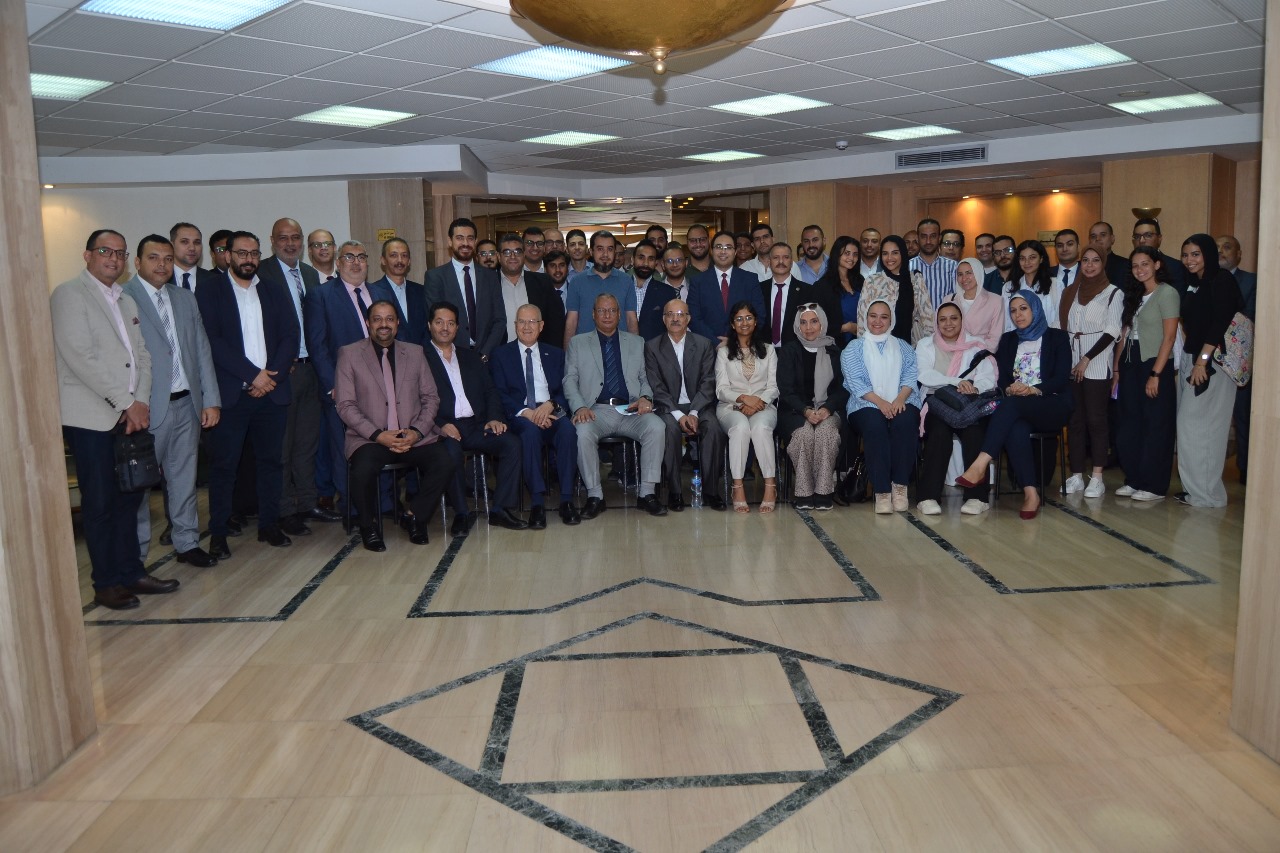
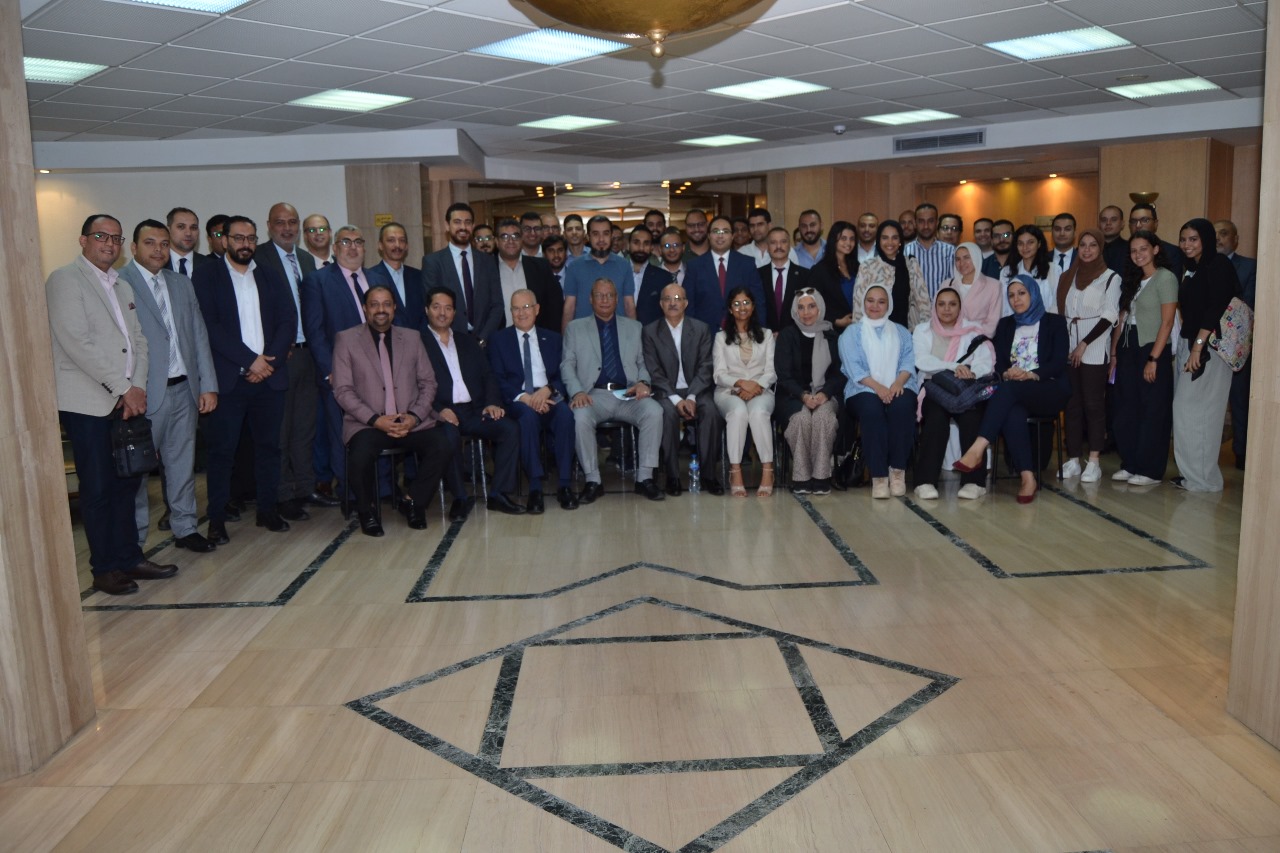
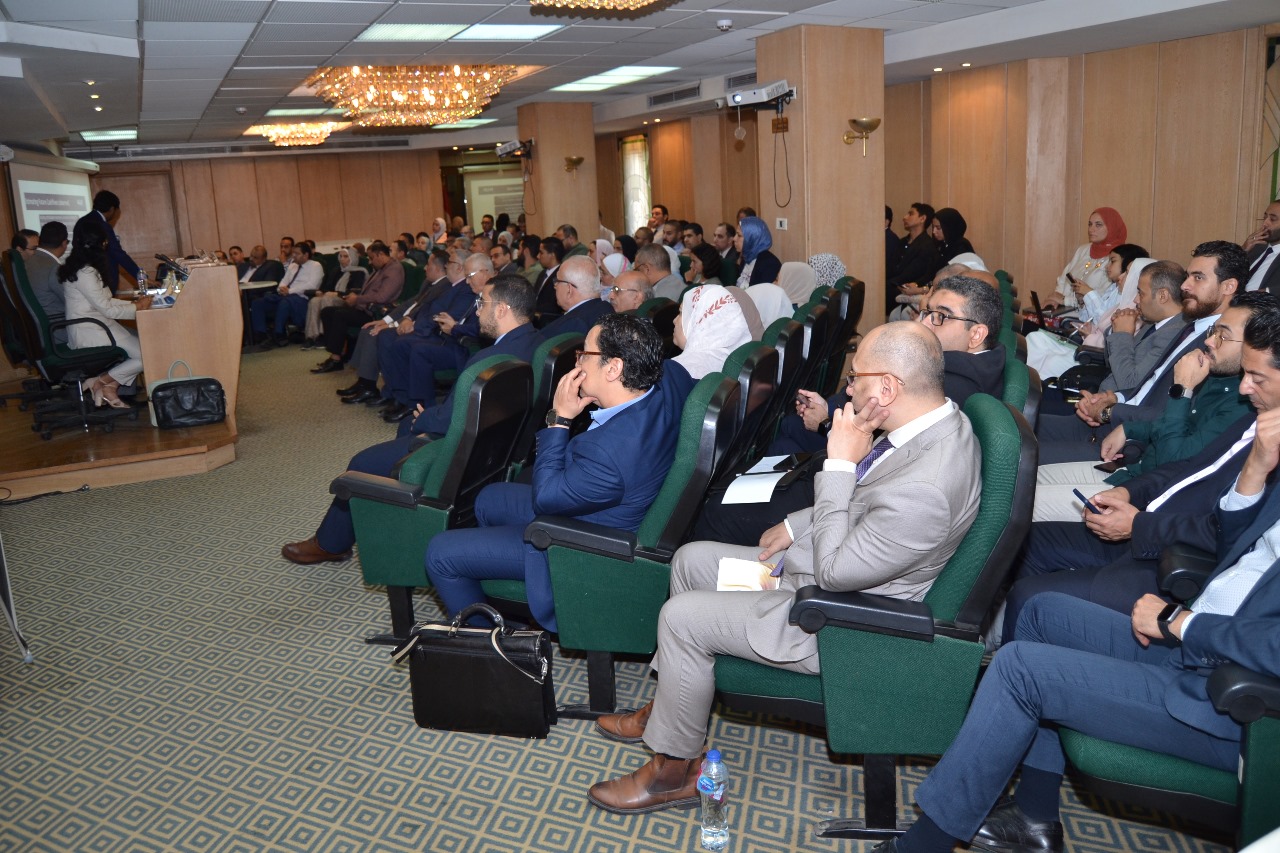
The event witnessed participation from over 100 professionals representing Egyptian insurance companies, the Financial Regulatory Authority (FRA), reinsurance pools, and faculty and students from the Insurance and Actuarial Sciences Department at Cairo University. The attendees contributed actively through insightful questions and discussions, reflecting the industry’s keen interest in adopting the new reporting framework.
A Statement from the Insurers Federation of Egypt
In its official statement, the Insurers Federation of Egypt emphasized that this workshop is a key component of its strategy to promote modernization, increase transparency, and reinforce governance across the insurance sector. The Federation reaffirmed its commitment to preparing the market for international compliance, enabling sustainable growth and competitiveness in the global landscape.
About the Insurers Federation of Egypt
Established in 1953 by Ministerial Decree No. 156, the Insurers Federation of Egypt is a non-profit entity comprising all insurance and reinsurance companies operating under Law No. 155 of 2024. The Federation has an independent legal personality and plays a vital role in:
-
Advancing and modernizing the insurance industry
-
Coordinating with regulatory authorities to resolve disputes and align interests
-
Strengthening cooperation with national and international insurance bodies
-
Enhancing the sector’s contribution to the national economy